
What's on · Mon 16 Nov 2026
The KL coffee guide: roasters, rooms and the beans the city runs on
Kuala Lumpur runs on two coffees at once: kopitiam kopi, dark, sweet and sock brewed, served with kaya toast in rooms that have been pouring it for generations, and a specialty scene of roasters and brew bars that is now working with Malaysia's own bean, Liberica, alongside the imports. The neighbourhood by neighbourhood guide: the old city kopitiams, Bangsar and TTDI, Damansara's roasters, how to order in each world, and what to put in your bag to take home.
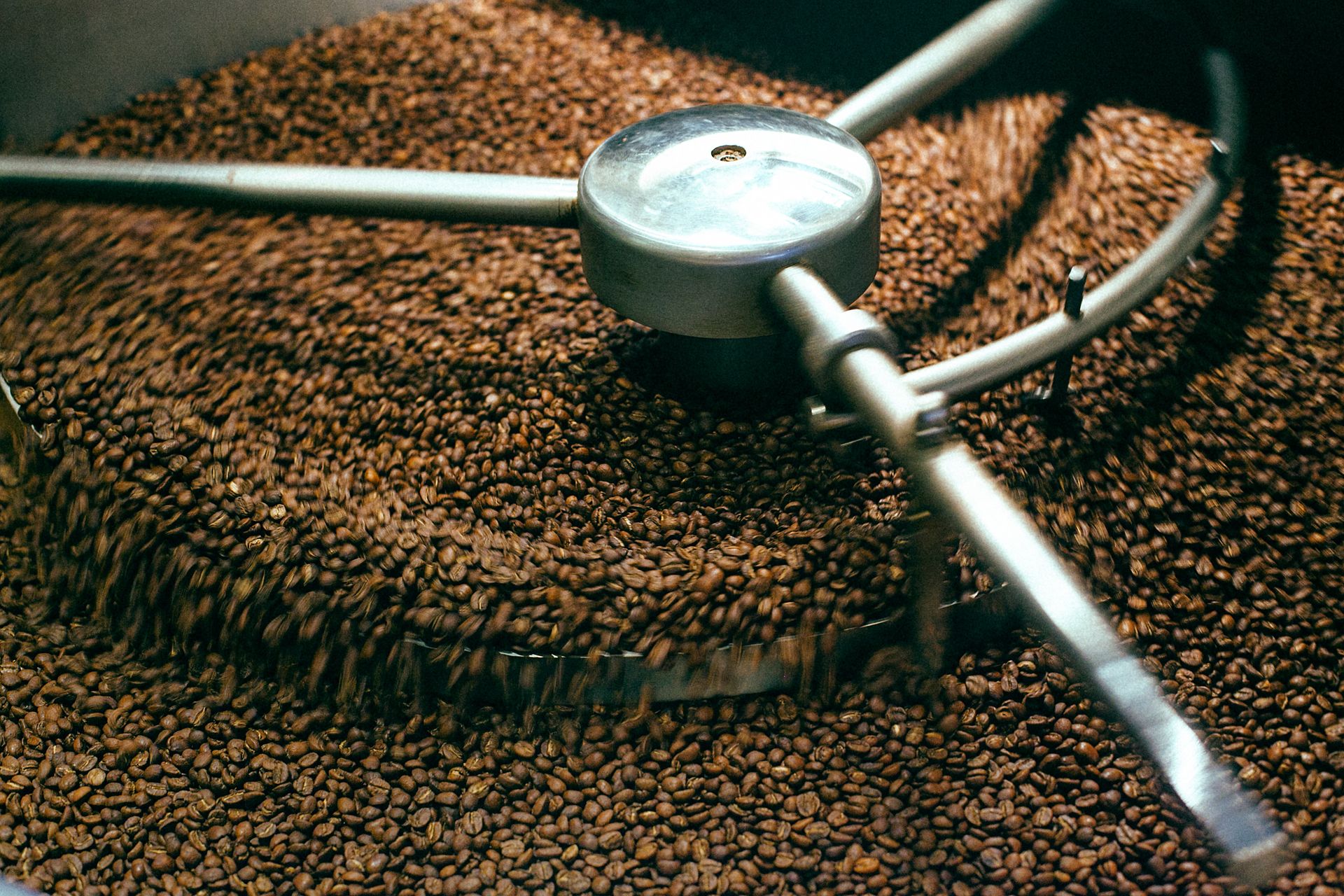
Kuala Lumpur is a coffee city twice over, and the two cities do not always meet. One of them starts before dawn in the kopitiams, the old coffee shops, where the day's first kopi is poured through a cloth sock, sweet and dark and strong enough to stand a spoon in, and where breakfast is kaya toast and eggs still soft in the shell. The other wears aprons and weighs its doses, roasts single origins in small batches, and can tell you the altitude of the farm your flat white grew on. Visitors tend to find one city or the other. The pleasure of Kuala Lumpur is that you can drink in both before lunch, and that lately the two have started talking to each other, because the specialty roasters have fallen for the bean the kopitiams have used all along. This guide goes neighbourhood by neighbourhood, but it starts with the order, because the order is where newcomers give themselves away.
First, learn to order a kopi
In a kopitiam, kopi is not short for coffee in general. It is a specific drink: beans roasted dark with sugar and margarine, ground, and brewed by pouring hot water through a cloth filter, the sock, then served with sweetened condensed milk unless you say otherwise. The menu is a code, and it is a short one. Kopi is the standard, hot with condensed milk. Kopi O is black with sugar. Kopi C swaps in evaporated milk and sugar. Kopi peng is the iced version. Kosong means no sugar, kurang manis means less sweet, and cham is the beloved compromise, coffee mixed with tea. Order a kopi O kosong and a kaya toast with half boiled eggs, soy and white pepper on the eggs, and you have ordered the breakfast this city has eaten for a hundred years. In the specialty rooms the code flips to the familiar international one, espresso, filter, single origin, but ask what is on filter and whether anything Malaysian is on. That question, asked politely, is how the best conversations in KL coffee start.
The beans: Liberica, the local
Malaysia grows a small share of the coffee it drinks, and most of what it grows is the bean the rest of the world largely ignores. About 87 percent of the country's coffee planting is Liberica, with Robusta making up most of the rest and Arabica a sliver, grown mainly in Johor, Sabah and Sarawak. Liberica thrives in the lowland heat that defeats Arabica, its cherries are big, and its cup is distinctive: woody, smoky, floral at the edges, sometimes compared to jackfruit. The kopitiam tradition took Liberica and Robusta and made them palatable the Hainanese way, wok roasting with sugar and margarine until the beans turn dark and glossy and the bitterness caramelises into body.
What has changed is who else wants the bean. A generation of Malaysian roasters now buys Liberica from smallholders in Johor and elsewhere and treats it as a specialty coffee in its own right, lighter roasts, named farms and growers, natural and honey processes, poured as filter coffee in rooms that would once have served only imported Arabica. You will find bags labelled MY Liberica on roasters' shelves, and brew bars putting a Malaysian Liberica on as the special. Try it twice, once as kopitiam kopi in the morning and once as a specialty filter in the afternoon, and you have tasted the whole argument of this guide in two cups.
The old city: kopitiams first, then the new rooms
Start where the city did. Yut Kee, on Jalan Kamunting near Dang Wangi, has been a Hainanese kopitiam since 1928, and it remains the morning to plan around: roti babi, the pork filled fried bread, Hainanese chicken and pork chops alongside the kaya toast and kopi, marble tables, and a queue that tells you everything. It closes in the afternoon and shuts on Mondays, which is kopitiam timekeeping, so go for breakfast or an early lunch. Across in Chinatown, Ho Kow Hainam Kopitiam on Jalan Balai Polis has been pouring since 1956, first from a lane stall and now from a corner shophouse by Kwai Chai Hong, with charcoal kaya toast, half boiled eggs and long morning lines, also closed on Mondays. Between the two of them you have the classic form exactly as it survives: family run, morning centred, cash friendly, and entirely uninterested in being discovered.
The old city also holds the bridge between the two coffee worlds. LOKL Coffee Co, on Jalan Tun H S Lee near Masjid Jamek, has served the centre since 2012 from a bright shophouse room, and its own menu makes the point of this guide in one line: espresso drinks made carefully, and coffee the local way, hand filtered and served with condensed milk, in the same room. A few streets east, VCR's original cafe at 2 Jalan Galloway works out of a small black house from 1927, all day brunch and serious coffee, the specialty scene's old city flagship. And on Jalan Mesui in Bukit Bintang, Feeka Coffee Roasters has been roasting on site in converted townhouses since the early days of the city's third wave, a calm room a street back from the Changkat noise. Do the old city in that order, kopitiam at eight, specialty at eleven, and the neighbourhood reads as one long coffee morning.
Bangsar: the brunch belt
Bangsar is where Kuala Lumpur takes its coffee with brunch and a certain amount of theatre, along the Telawi streets and in the converted printing works at APW. The anchor name is Antipodean Cafe on Jalan Telawi 2, the all day breakfast institution that has been feeding the neighbourhood for years and still draws the weekend crowds its reputation promises. Bangsar's gift to a visitor is density: roasters, bakeries and breakfast rooms within a few streets of each other, a residential crowd that treats the cafe as a second living room, and coffee taken seriously without being taken solemnly. Go on a weekday morning if you can. The same rooms on a Saturday are a contact sport.
TTDI: the neighbourhood roastery
Taman Tun Dr Ismail, TTDI to everyone, is the city's other great cafe neighbourhood, greener and more local in feel, and its headline room is Common Man Coffee Roasters at Plaza VADS on Jalan Tun Mohd Fuad. The Singapore born roaster's Kuala Lumpur home is built around a 360 degree coffee bar where you can watch every drink being made, and its own locations page keeps the TTDI hours current, weekday days and longer weekends. TTDI rewards the same treatment as Bangsar in a lower key: a morning coffee, a walk around a neighbourhood of bakeries and small restaurants, and the sense of seeing where the city actually lives rather than where it performs. If you only have one suburban coffee trip in a KL stay, the choice between Bangsar and TTDI is a coin toss weighted by where you are staying. Bangsar is closer to the centre, TTDI feels further into the city's own life.
Damansara: where the roasters live
Push on into Damansara and the cafes give way to the roasters themselves. Bean Brothers' Petaling Jaya room, at Jalan PJU 3/50 in Sunway Damansara, is the warehouse end of the business: a big industrial space run by the Korean born subscription roaster that entered KL's scene in 2015, with its house blends and single origins poured where the operation is based. In Bukit Damansara, The Hub Coffee Roaster at Plaza Zurich on Jalan Gelenggang is a roaster's cafe in the purest form, a long list of single origin beans for filter and hand brew, roasted by the team behind the counter, the kind of room where the menu reads like an atlas and the staff will happily narrow it down. Damansara is not a sightseeing neighbourhood and does not pretend to be. It is where you go when the coffee itself is the sightseeing.
Putting a coffee day together
The working pattern for a visitor is simple, and it respects both coffee worlds. Kopitiam first, because the kopitiams own the morning and several are done by mid afternoon. One specialty room late in the morning, in whichever neighbourhood your day is already in. Beans to take home from a roaster rather than a mall shelf, and ask for the Malaysian Liberica while you are there. Then give the rest of the day back to the city the coffee was fuelling. The towers are the obvious anchor, timed entry and all, and a Batu Caves morning pairs with an old city kopitiam breakfast on the way back into town better than any itinerary has a right to.
Petronas Twin Towers ticketvia Klook · affiliate link
Kuala Lumpur suburbs and Batu Caves tourvia Klook · affiliate link
Stay central for a coffee trip. The old city rooms are the heart of this guide, Bangsar and TTDI are short rides west, and a Bukit Bintang or KLCC base puts the LRT and monorail under all of it, with the morning kopitiams a walk or one stop away.
Stay in Kuala Lumpurvia Trip.com · affiliate link
Kuala Lumpur's coffee is not a scene pasted onto the city. It is the city's oldest daily ritual and one of its newest crafts, running side by side, sometimes in the same room. Drink the kopi O where the sock still drips, drink the Liberica where the roaster can name the farm, and you will understand more about how this place works than any observation deck can tell you. Though the deck, it has to be said, is also worth doing.
More reading on the articles page, or go straight to the events calendar.
Noteworthy events direct to your inbox.
Get what’s noteworthy for the weekend and beyond every Wednesday in your inbox.